High-Impact Emails: A Complete Guide to Better Email Marketing Results
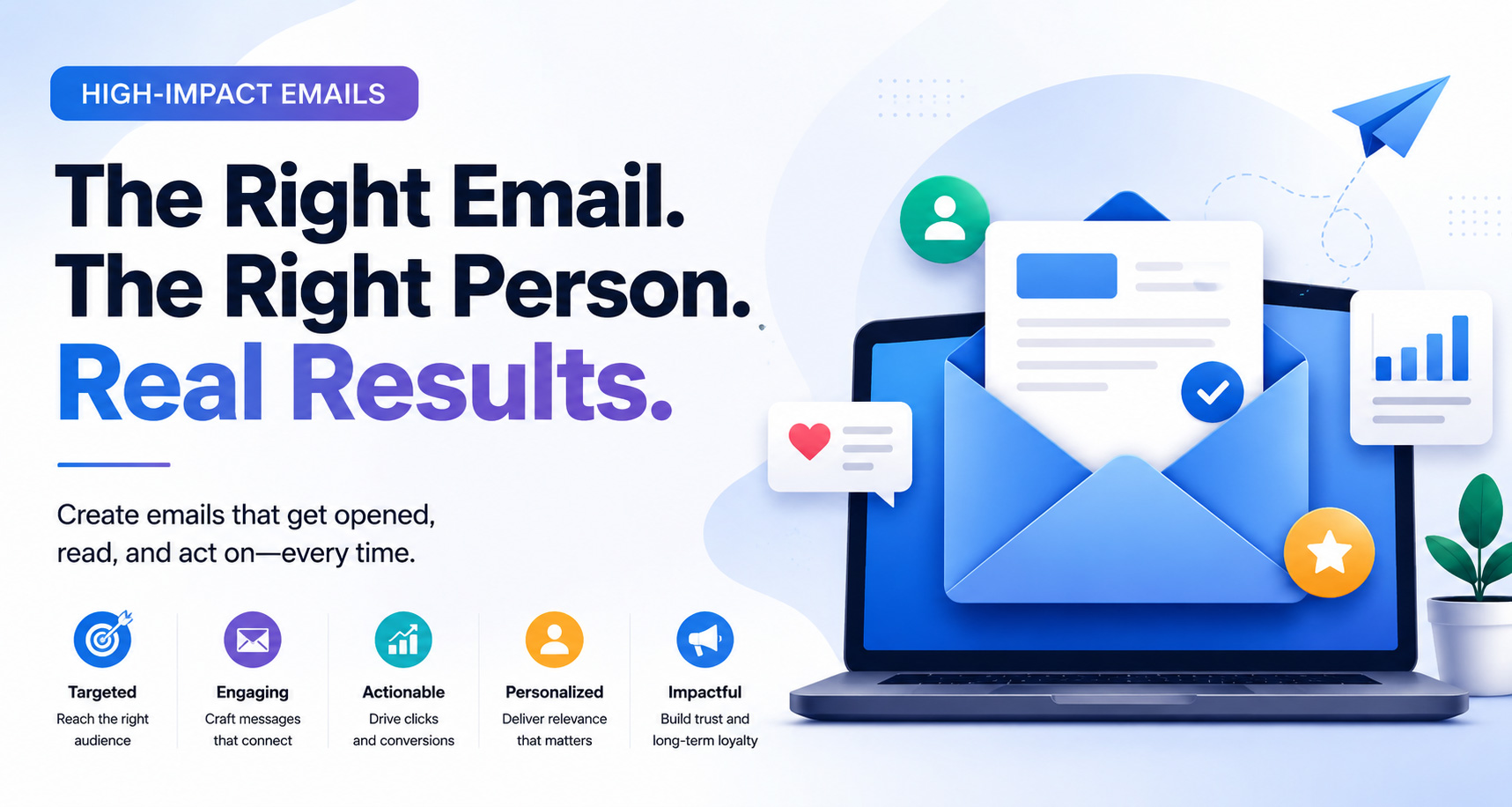
High-Impact Emails: How to Create Messages That People Actually Open, Read, and Act On
In today’s digital world, people receive dozens—sometimes hundreds—of emails every day. Most are ignored, deleted, or lost in crowded inboxes. Yet email remains one of the most effective marketing channels because it provides a direct line of communication with customers.
The difference isn’t email itself—it’s the quality of the email.
A high-impact email doesn’t rely on flashy graphics or aggressive sales tactics. Instead, it delivers the right message to the right audience at the right moment while making it easy for readers to take the next step.
Whether you’re welcoming a new subscriber, promoting a product, nurturing leads, or retaining existing customers, creating high-impact emails can significantly improve engagement, trust, and conversions.
What Is a High-Impact Email?
A high-impact email is designed with a clear objective and focused on providing value to the recipient. Every element—from the subject line to the call-to-action (CTA)—works together to encourage meaningful interaction.
Rather than simply broadcasting information, these emails start conversations, solve problems, answer questions, or inspire action.
High-impact emails typically achieve:
- Higher open rates
- Better click-through rates
- Increased customer engagement
- More conversions
- Stronger customer relationships
- Improved brand credibility
Why High-Impact Emails Matter
Email marketing consistently delivers one of the highest returns on investment among digital marketing channels. Unlike social media platforms where algorithms determine visibility, email gives businesses direct access to their audience.
When emails are thoughtfully planned, they become valuable business assets that help:
- Generate qualified leads
- Educate potential customers
- Increase product or service adoption
- Build customer loyalty
- Encourage repeat purchases
- Collect meaningful customer feedback
Businesses that consistently deliver valuable emails remain top-of-mind when customers are ready to make purchasing decisions.
The Building Blocks of a High-Impact Email
1. A Clear Purpose
Every email should focus on one primary goal.
Examples include:
- Introducing a new product
- Sharing educational content
- Confirming an order
- Inviting customers to an event
- Requesting feedback
- Encouraging a purchase
Trying to accomplish too many objectives in one email often reduces effectiveness.
2. An Engaging Subject Line
The subject line determines whether your email gets opened.
Strong subject lines are:
- Clear
- Relevant
- Benefit-driven
- Short and easy to understand
Examples:
- 5 Ways to Improve Your Email Performance
- Your Marketing Strategy Needs This Simple Upgrade
- Ready to Increase Customer Engagement?
Avoid misleading or exaggerated claims. Trust begins with honesty.
3. Personalization Beyond First Names
Personalization today goes far beyond greeting recipients by name.
Modern personalization includes:
- Purchase history
- Browsing behavior
- Geographic location
- Customer interests
- Industry-specific recommendations
- Stage in the customer journey
Relevant emails naturally receive better engagement.
4. Valuable Content
People don’t subscribe just to receive promotions.
Every email should answer at least one question:
- What will the reader gain?
Useful content may include:
- Practical tips
- Industry insights
- Product tutorials
- Case studies
- Success stories
- Helpful resources
- Exclusive updates
Value builds trust long before a sale happens.
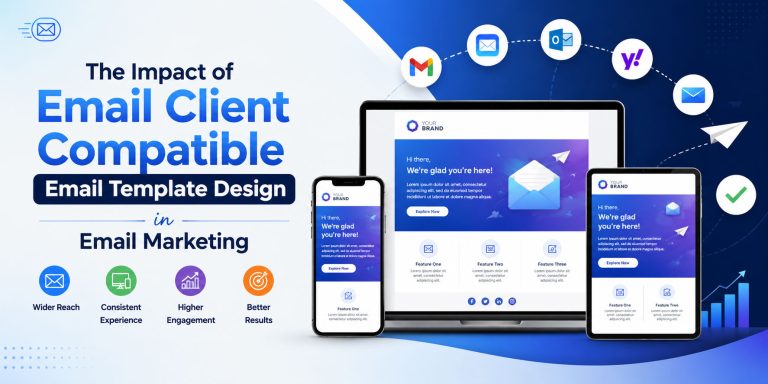
5. Mobile-Friendly Design
A large percentage of emails are opened on smartphones.
Ensure your emails include:
- Responsive layouts
- Readable font sizes
- Short paragraphs
- Adequate white space
- Large, tappable buttons
- Optimized images
A positive mobile experience directly influences engagement.
6. Strong Call-to-Action (CTA)
Every email should guide readers toward one next step.
Effective CTAs are specific and action-oriented.
Examples:
- Download the Guide
- Schedule a Demo
- Explore Our Services
- Start Your Free Trial
- Learn More
Avoid overwhelming readers with multiple competing buttons.
The Psychology Behind High-Impact Emails
Successful emails connect with human behavior.
They appeal to:
Curiosity
Encourage readers to discover valuable information.
Trust
Provide accurate, transparent communication.
Relevance
Deliver content aligned with customer needs.
Simplicity
Reduce unnecessary complexity.
Timing
Send messages when customers are most likely to engage.
Understanding these principles helps create emails that feel helpful rather than intrusive.
Common Mistakes That Reduce Email Performance
Many businesses unintentionally reduce the effectiveness of their email campaigns by making avoidable mistakes.
Common issues include:
- Generic messaging
- Overly promotional content
- Long blocks of text
- Multiple competing CTAs
- Poor mobile optimization
- Sending too frequently
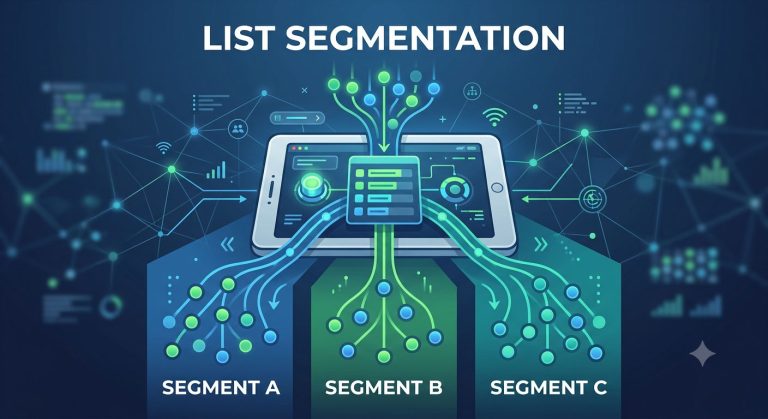
- Ignoring audience segmentation
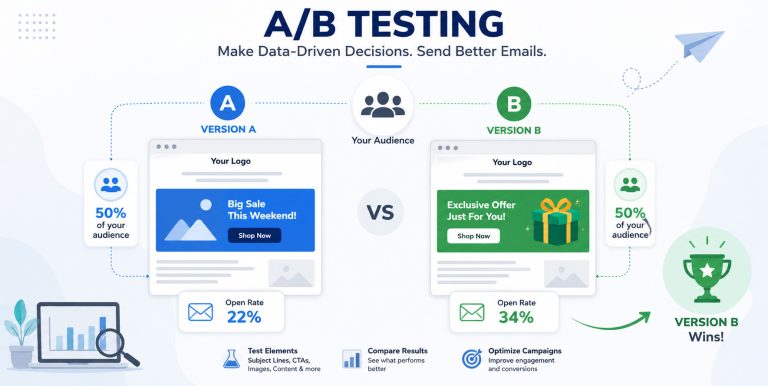
- Failing to test campaigns
- Using outdated email lists
Improving even one of these areas can significantly boost campaign performance.
Measuring Success
Creating high-impact emails is an ongoing process of testing and optimization.
Monitor key performance indicators such as:
- Delivery Rate
- Open Rate
- Click-Through Rate (CTR)
- Click-to-Open Rate (CTOR)
- Conversion Rate
- Bounce Rate
- Unsubscribe Rate
- Spam Complaint Rate
- Revenue per Email
These metrics provide valuable insights into audience behavior and campaign effectiveness.
Best Practices for Consistent Results
To maximize the impact of your email campaigns:
- Understand your audience before writing.
- Segment subscribers based on behavior and interests.
- Focus on one message per email.
- Write conversational, reader-focused copy.
- Keep layouts clean and visually balanced.
- Optimize for mobile devices.
- Test subject lines and CTAs regularly.
- Maintain a healthy email list.
- Follow email compliance and privacy regulations.
- Continuously analyze and improve campaign performance.
Small improvements made consistently often lead to significant long-term gains.
How AI Is Transforming High-Impact Email Marketing
Artificial Intelligence is changing the way businesses create and optimize email campaigns.
AI can help marketers:
- Predict the best sending times
- Recommend personalized content
- Generate subject line variations
- Automate customer journeys
- Analyze customer behavior
- Improve segmentation
- Identify inactive subscribers
- Optimize campaign performance in real time
While AI enhances efficiency, human creativity remains essential for building authentic relationships with customers.
Final Thoughts
High-impact emails are not about sending more messages—they’re about sending smarter ones.
Every email should have a purpose, provide genuine value, and make it easy for recipients to take action. Businesses that consistently prioritize relevance, personalization, and customer experience build stronger relationships and achieve better marketing results.
As inboxes become increasingly competitive, success belongs to organizations that respect their audience’s time and deliver meaningful communication. A well-crafted email can educate, inspire, solve problems, and drive measurable business growth—making email marketing one of the most powerful tools in any digital strategy.